

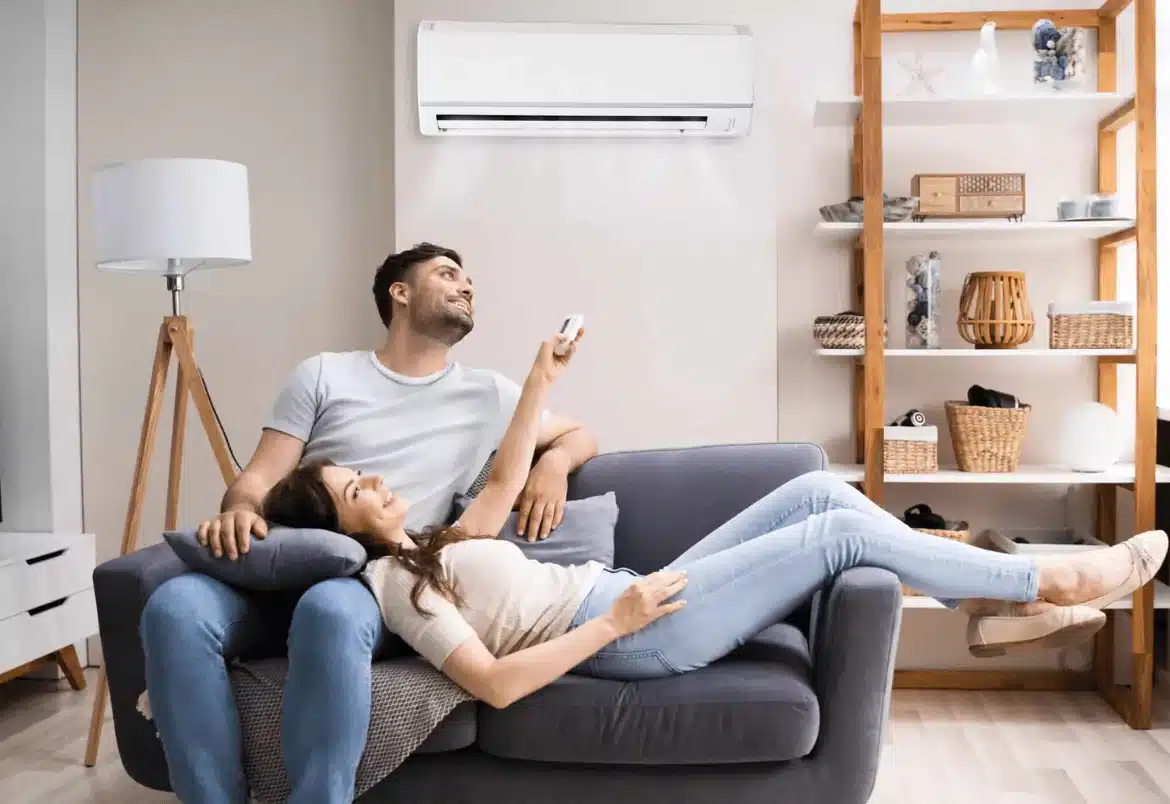
Best Air Conditioner Price in Sri Lanka Guide
Table of Contents
- Introduction
- Air Conditioner Price in Sri Lanka
- Why AC Prices Vary in Sri Lanka
- Air Conditioner Price in Sri Lanka by BTU Size
- Inverter vs Non-Inverter AC Prices
- What Size AC Do You Need?
- Running Cost: The Price After Purchase
- Installation, Warranty, and Admin Costs
- Buying Checklist for Sri Lankan Homes
- People Also Ask
- Expert Q&A
- Conclusion
Introduction
If you are searching for air conditioner price in sri lanka, you are probably trying to balance three things: the unit price, the electricity bill, and long-term reliability. From my experience reviewing air conditioner listings and helping buyers compare home appliances in Sri Lanka, the cheapest AC is not always the best value. A lower upfront price can become expensive later if the unit is too small, uses more power, or is installed poorly.
In Sri Lanka, buyers usually compare 9,000 BTU, 12,000 BTU, 18,000 BTU, and 24,000 BTU split air conditioners. However, the right choice depends on room size, sunlight, ceiling height, number of people, usage hours, and whether the room is in a hot coastal area such as Colombo, Negombo, Galle, or Trincomalee.
This guide explains the real factors behind air conditioner price in Sri Lanka. It also covers inverter vs non-inverter ACs, electricity cost, installation, energy labels, warranty, and practical buying tips for Sri Lankan homes and small offices.
Air Conditioner Price in Sri Lanka
Air conditioner price in Sri Lanka usually depends on BTU capacity, inverter technology, brand, refrigerant type, warranty, and installation requirements. As a practical estimate, basic 12,000 BTU non-inverter models may start around the lower hundred-thousand rupee range, while inverter and higher-capacity models often cost more but can reduce running costs.
Why Air Conditioner Price in Sri Lanka Varies
Air conditioner price in Sri Lanka changes because an AC is not just one product. It is a cooling system with different capacities, compressors, refrigerants, control boards, copper piping needs, and after-sales service requirements.
The first factor is cooling capacity, usually shown as BTU. A 9,000 BTU AC is generally used for small bedrooms. A 12,000 BTU AC suits many medium bedrooms or small living areas. Meanwhile, 18,000 BTU and 24,000 BTU units are common for larger rooms, open-plan spaces, offices, and commercial use.
The second factor is compressor technology. A non-inverter AC switches the compressor on and off. As a result, it can be cheaper to buy but less smooth in temperature control. An inverter AC adjusts compressor speed based on cooling demand. Therefore, it often costs more upfront but may use electricity more efficiently when used for long hours.
The third factor is brand and after-sales support. In Sri Lanka, this matters a lot. A slightly cheaper model can become inconvenient if spare parts are hard to find or warranty support is slow. Therefore, buyers should compare the warranty, installation quality, and service network, not only the sticker price.
The fourth factor is energy efficiency labelling. According to the Sri Lanka Sustainable Energy Authority labelling programme, energy labels help consumers make informed choices at the point of purchase. Also, the Sri Lanka Standards Institution energy labelling service covers appliances including air conditioners. This is important because the electricity bill is part of the true lifetime cost.
Finally, exchange rates, import costs, shipping, promotions, seasonal demand, and stock availability can affect air conditioner price in Sri Lanka. Prices can move quickly, especially before hot months or when new stock arrives.
Air Conditioner Price in Sri Lanka by BTU Size
The table below gives a practical buying guide. These are estimated market-style ranges, not fixed quotations. Always check the current product page, warranty, delivery terms, and installation cost before ordering.
| AC Capacity | Best For | Typical Buyer | Estimated Price Position | Buying Note |
| 9,000 BTU | Small bedrooms, study rooms | Light night-time users | Lower price range | Good for compact rooms, but not ideal for large sunny spaces |
| 12,000 BTU | Medium bedrooms, small offices | Most home buyers | Popular mid-range | Often the best balance for Sri Lankan bedrooms |
| 18,000 BTU | Larger bedrooms, small living rooms | Heavy users | Higher than 12,000 BTU | Better when the room has more heat load |
| 24,000 BTU | Large living rooms, offices | Commercial or large-home users | Premium range | Needs careful installation and proper electrical support |
From my experience, many Sri Lankan buyers first ask for a 12,000 BTU unit because it is common and widely available. However, if the room has direct afternoon sunlight, a high ceiling, many occupants, or large windows, the required capacity may be higher.
A common mistake is buying a smaller AC to save money. At first, this reduces the purchase price. However, the AC may run continuously, cool slowly, and use more electricity over time. On the other hand, buying a unit that is too large can cause short cycling, uneven cooling, and higher upfront cost. Therefore, the right size is the best value.
Inverter vs Non-Inverter AC Prices in Sri Lanka
When people compare air conditioner price in Sri Lanka, the biggest question is often whether to buy an inverter or non-inverter model.
A non-inverter AC is usually cheaper. It can be a sensible choice for a spare room, guest room, or space used for short periods. However, it may consume more power during frequent start-stop cycles.
An inverter AC usually costs more. Yet, it can be better for bedrooms, work-from-home rooms, and offices where the AC runs for several hours. Because it adjusts compressor speed, it can maintain a steadier temperature and reduce wasted energy in suitable conditions.
| Feature | Non-Inverter AC | Inverter AC |
| Upfront price | Usually lower | Usually higher |
| Running cost | Often higher for long use | Often lower for long use |
| Cooling style | On/off cycling | More stable cooling |
| Best for | Short, occasional use | Daily or long-hour use |
| Repair cost | Often simpler | Can be higher due to electronics |
| Buyer fit | Budget-first buyers | Value and efficiency-focused buyers |
Therefore, the best answer is not always “buy inverter.” Instead, ask how often you will use the AC. If you use it only a few hours per week, a non-inverter unit may be enough. However, if you use it every night in Colombo, Kandy, Kurunegala, Jaffna, Gampaha, or another warm area, an inverter unit can be a smarter long-term choice.
What Size AC Do You Need?
To understand air conditioner price in Sri Lanka properly, you need to connect BTU size with room conditions. BTU means British Thermal Unit, and it shows cooling capacity. In simple terms, more BTU means more cooling power.
For many Sri Lankan bedrooms, 12,000 BTU is a common starting point. However, room size is only one part of the decision. Heat comes from sunlight, roofing, windows, people, computers, kitchen areas, and poor insulation.
Use this simple guide:
| Room Type | Suggested Capacity | Practical Comment |
| Small bedroom | 9,000 BTU | Works best when the room is shaded and closed |
| Medium bedroom | 12,000 BTU | Common choice for many Sri Lankan homes |
| Large bedroom | 18,000 BTU | Useful for bigger rooms or warmer upstairs spaces |
| Living room | 18,000–24,000 BTU | Depends on openness and sunlight |
| Small office | 12,000–24,000 BTU | Depends on people, equipment, and usage hours |
Also, consider the location. For example, a shaded room in Nuwara Eliya is different from an upstairs room in Colombo or Batticaloa. Coastal humidity can also affect comfort. Therefore, a proper site assessment is useful before purchasing.
Running Cost: The Price After Purchase
Many buyers focus only on air conditioner price in Sri Lanka at checkout. However, the monthly electricity bill is just as important.
The PUCSL domestic electricity tariff is the official reference point for domestic electricity tariff information in Sri Lanka. Because tariffs can change, buyers should check current rates before estimating monthly AC running cost.
A simple running cost estimate depends on:
- AC wattage
- Daily usage hours
- Number of days used per month
- Electricity tariff block
- Inverter efficiency
- Room heat load
- Temperature setting
For example, if you set the AC to 24°C or 25°C instead of 18°C, the compressor usually works less. As a result, energy use may reduce. Also, cleaning filters, closing doors, using curtains, and sealing gaps can improve performance.
From my experience, a properly sized inverter AC in a closed bedroom often feels more comfortable and economical than an undersized non-inverter AC working at full load. However, actual electricity cost varies by model, room condition, usage pattern, and tariff category.
Energy Labels and Sri Lanka Buyer Confidence
Energy labels help buyers compare appliances before purchase. According to the Sri Lanka Sustainable Energy Authority, appliance energy labels support informed choices by showing comparative performance. This matters because an AC is one of the higher-energy appliances in a home.
In practical terms, do not only ask, “What is the AC price?” Also ask:
- What is the energy rating?
- Is it inverter or non-inverter?
- What refrigerant does it use?
- What is the warranty?
- Is installation included?
- Does the seller provide after-sales service?
- Are spare parts available?
The SLSI energy labelling work is also relevant because air conditioners are included among appliances considered for energy labelling in Sri Lanka. For non-experts, this is an administrative and standards-related reference, not legal advice. It simply means buyers should look for compliant, properly labelled, and responsibly sold products.
Installation Costs and Hidden Expenses
Installation can change the total air conditioner price in Sri Lanka. Some sellers include basic installation. Others charge separately. Even when installation is included, extra copper piping, wall brackets, drain pipe extensions, electrical work, outdoor unit stands, and difficult access can add cost.
Before you buy, ask for a written installation breakdown. This helps avoid surprises.
Common installation-related costs include:
- Extra copper pipe beyond the included length
- Outdoor unit bracket or stand
- Core cutting or wall drilling
- Drainage pipe extension
- Electrical isolator or wiring work
- Transport outside main delivery zones
- Special access for apartments or upper floors
Good installation is not a place to cut corners. Poor installation can cause gas leaks, water leaks, vibration, weak cooling, and warranty issues. Therefore, the final buying decision should include installer quality.
Warranty and After-Sales Support
Warranty is a major part of value. Many air conditioners include separate warranty periods for the compressor, PCB, and general parts. However, warranty terms vary by brand and seller.
Before purchasing, check:
- Compressor warranty
- PCB warranty
- General parts warranty
- Labour warranty
- Installation warranty
- Service response time
- Availability of spare parts
- Whether warranty requires authorised installation
This is especially important for inverter ACs. Since inverter models use more advanced electronic control systems, service quality matters. A low price without reliable warranty support can become expensive later.
Buying Checklist for Air Conditioner Price in Sri Lanka
Use this numbered checklist before you confirm an order:
- Measure the room. Note length, width, ceiling height, window size, and sunlight direction.
- Choose the right BTU. Do not undersize the AC just to reduce the upfront price.
- Decide inverter or non-inverter. Choose based on usage hours, not only budget.
- Check the energy label. A more efficient unit may reduce long-term running cost.
- Confirm the final price. Ask whether delivery, standard installation, and accessories are included.
- Ask about extra installation charges. Copper piping, brackets, and electrical work can increase the final bill.
- Review warranty terms. Check compressor, PCB, parts, and service conditions.
- Compare total cost of ownership. Include purchase price, installation, electricity, and maintenance.
- Confirm after-sales service. Choose a seller with clear support channels.
- Keep documents safely. Save invoice, warranty card, installation record, and service contact details.
This checklist keeps the buying process simple. More importantly, it helps you compare value instead of only comparing the lowest air conditioner price in Sri Lanka.
Maintenance Costs to Consider
Maintenance is small compared with the purchase price, but it affects performance. Dirty filters, blocked coils, and weak airflow make the AC work harder. Therefore, regular cleaning can help maintain cooling efficiency.
For home use, filter cleaning can often be done by the user according to the manufacturer’s instructions. However, deeper servicing should be handled by trained technicians. In dusty areas or homes near main roads, cleaning may be needed more often.
Good maintenance can improve comfort, reduce odours, prevent water leaks, and support longer equipment life. As a result, it protects your investment.
Best AC Choice for Different Sri Lankan Buyers
Different buyers need different ACs. Therefore, air conditioner price in Sri Lanka should be judged by use case.
For a small bedroom, a 9,000 BTU or 12,000 BTU unit may be enough, depending on room heat. If the room is used mainly at night, a budget-friendly model can work.
For a main bedroom, a 12,000 BTU inverter AC is often a strong choice. It suits regular use and can offer better comfort.
For a living room, 18,000 BTU or 24,000 BTU may be needed. However, open-plan homes need careful sizing because cool air escapes into connected spaces.
For a home office, inverter technology is useful if the AC runs during the day. Computers, sunlight, and people increase heat load.
For a rental property, consider durability, simple controls, and service support. A slightly higher-quality unit may reduce tenant complaints and service calls.
People Also Ask
What is the average air conditioner price in Sri Lanka?
Air conditioner price in Sri Lanka varies by BTU size, inverter technology, brand, and installation terms. As a practical guide, 12,000 BTU models are usually more affordable than 18,000 BTU and 24,000 BTU models, while inverter units generally cost more than non-inverter units.
Is an inverter AC worth buying in Sri Lanka?
Yes, an inverter AC can be worth buying if you use it for long hours, especially in bedrooms or offices. Although the upfront price is higher, the smoother operation and potential energy savings can improve long-term value.
What BTU AC is best for a bedroom in Sri Lanka?
For many Sri Lankan bedrooms, 12,000 BTU is a common choice. However, smaller shaded rooms may suit 9,000 BTU, while larger upstairs rooms with strong sunlight may need 18,000 BTU.
Does AC installation cost extra in Sri Lanka?
Sometimes yes. Some sellers include basic installation, but extra copper piping, brackets, drilling, drainage, and electrical work may cost more. Therefore, always confirm the full installed price before buying.
How can I reduce my AC electricity bill?
Set the temperature around 24°C to 26°C, close doors and windows, clean filters, use curtains, and choose the right BTU size. Also, compare energy labels before purchase because efficiency affects long-term running cost.
Expert Q&A: Air Conditioner Price in Sri Lanka
1. Why does the same 12,000 BTU AC have different prices?
The same capacity can have different prices because of inverter technology, compressor quality, refrigerant type, energy rating, brand reputation, warranty, and included installation. Also, promotions and stock levels can change the final price.
2. Should I buy the cheapest AC available?
Not always. The cheapest AC may be suitable for light use, but it may not offer the best long-term value. Check energy efficiency, warranty, installation quality, and service support before deciding.
3. How important is refrigerant type?
Refrigerant type matters because it affects performance, service requirements, and environmental impact. Many newer AC models use R32 refrigerant, which is common in modern split air conditioners. However, buyers should still check the manufacturer’s specifications and service availability.
4. Can a 12,000 BTU AC cool a living room?
It depends on the living room size and heat load. A compact, closed living room may be manageable, but larger or open-plan living rooms often need 18,000 BTU or 24,000 BTU. A site check is useful before purchase.
5. How often should an AC be serviced in Sri Lanka?
For normal home use, periodic servicing is recommended, especially before heavy hot-season use. Homes near dust, sea breeze, main roads, or construction areas may need more frequent cleaning. Always follow the manufacturer’s guidance.
Conclusion
Air conditioner price in Sri Lanka should never be judged by the unit price alone. A smart buyer compares BTU capacity, inverter technology, energy label, installation cost, warranty, after-sales service, and expected electricity use. As a result, the best AC is the one that cools your room properly, runs efficiently, and comes with dependable support.
For most Sri Lankan homes, 12,000 BTU inverter models are popular because they balance comfort and running cost. However, small rooms may need less capacity, while larger living rooms and offices may need 18,000 BTU or 24,000 BTU. Therefore, always match the AC to your room, not only to your budget.
To compare current options, features, warranty details, and available offers, explore Greenware’s range of ACs here: shop reliable air conditioners in Sri Lanka with Greenware.
