

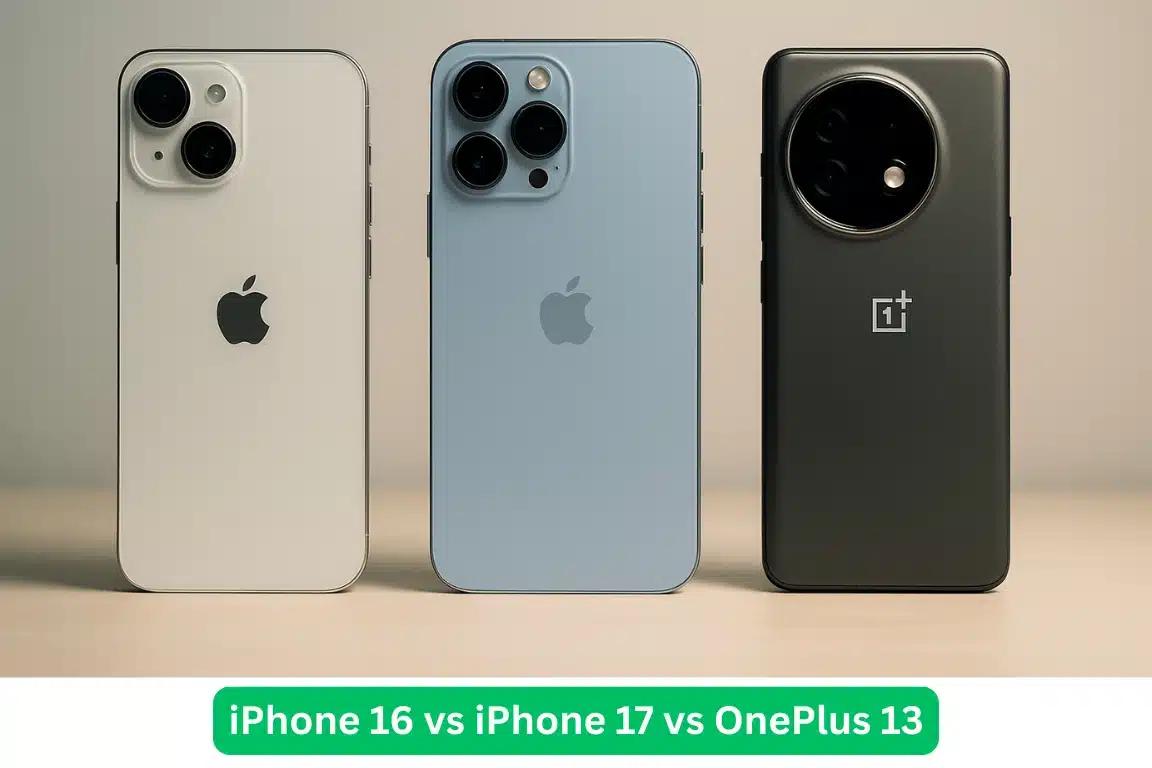
iPhone 16 vs iPhone 17 vs OnePlus 13 — Which Mobile is Best?
Choosing between the Apple iPhone 16, Apple iPhone 17, and OnePlus 13 is an important decision for anyone upgrading in 2025. Each phone serves a distinct purpose. The iPhone 16 emphasizes reliability and tight integration with Apple services like iCloud and iMessage. The iPhone 17 introduces a redesigned chassis, an upgraded A18 chip, and enhanced low-light photography. The OnePlus 13 offers a Snapdragon 8 Gen 4 processor, 100W fast charging, and a competitive price point in the Android flagship market.
The most important factor isn’t the number of features, but how well the phone matches your daily habits, how much you’re willing to spend, and whether it supports upcoming software and hardware standards.
This guide breaks it down so you can decide with confidence which phone makes the most sense for your lifestyle.
Core Differences at a Glance
The Apple iPhone 16, Apple iPhone 17, and OnePlus 13 serve very different kinds of buyers in 2025. The iPhone 16 is all about reliability and staying within the comfort of the Apple ecosystem. The iPhone 17, on the other hand, brings Apple’s newest A18 Bionic chip, smarter AI features, and a refreshed titanium design that feels more future-ready. Meanwhile, the OnePlus 13 makes its case as the value-driven Android flagship, packing the Snapdragon Gen 4, Hasselblad’s camera tuning, and some of the fastest charging speeds on any phone right now.
This quick comparison shows you the real differences that matter—from design and performance to cameras, battery life, ecosystem, and price—so you can easily see which one fits your priorities.
Comparison Table — iPhone 16 vs iPhone 17 vs OnePlus 13
| Feature | Apple iPhone 16 | Apple iPhone 17 | OnePlus 13 |
| Design & Build | Classic Apple style, durable aluminum + glass | Slimmer bezels, premium titanium frame | Bold look, lightweight build |
| Performance | A17 Bionic chip, smooth and efficient | A18 Bionic chip, AI-powered speed | Snapdragon Gen 4, top raw performance |
| Camera | Trusted dual/triple-lens system | Upgraded sensors, stronger low-light shots | High-megapixel + Hasselblad color tuning |
| Battery & Charging | All-day use, MagSafe support | Efficiency gains, better thermal control | Bigger battery + ultra-fast wired charging |
| Ecosystem & Software | Seamless Apple ecosystem, stable iOS | Future-ready iOS, AI features, long support | OxygenOS, flexible Android customization |
| Price & Value | Entry-level Apple option | Premium Apple flagship | Flagship feel at a lower price |
Design & Build Quality
Design and build quality vary noticeably across the three devices. The iPhone 16 retains Apple’s traditional aluminum-and-glass construction, offering a familiar feel with proven durability. The iPhone 17 upgrades to a titanium frame with slimmer bezels, making it lighter and giving it a more refined appearance. The OnePlus 13 introduces a thinner chassis with a bold rear camera design and polished metal edges, which help it stand out among Android competitors.
Design affects more than just appearance. A well-built phone should feel sturdy, sit comfortably in your hand, and reflect your personal taste—whether that means Apple’s minimalist look or OnePlus’s more expressive aesthetic.
Display & User Experience
Display quality is one of the most noticeable differences between these phones during everyday use. The iPhone 16 features a 6.1-inch OLED screen with accurate color reproduction, solid brightness, and smooth performance suited for browsing, messaging, and media playback. The iPhone 17 improves on that with a 6.1-inch LTPO OLED panel that supports up to 120Hz refresh rate, reaches higher peak brightness levels for outdoor use, and includes AI-based color calibration through iOS for more realistic visuals.
The OnePlus 13 offers a larger 6.7-inch AMOLED display with a 120Hz refresh rate and HDR10+ support, making it a better fit for gaming and streaming content. Its screen is tuned for contrast and motion clarity, which enhances fast-paced visuals and cinematic playback.
In short, the iPhone 16 prioritizes consistency, the iPhone 17 brings refinements for display enthusiasts, and the OnePlus 13 caters to users who want a more immersive viewing experience.
Performance & Software Ecosystem
Performance and software experience vary significantly between these three phones. The iPhone 16 uses Apple’s A17 Bionic chip, which handles multitasking, social media, and casual gaming with ease. It offers a stable experience in iOS, with tight integration between apps, low power consumption, and consistent performance over time.
The iPhone 17 upgrades to the A18 Bionic, designed for more demanding workflows. It includes hardware-accelerated AI processing, improved GPU performance for rendering in video apps, and better thermal management during prolonged tasks like 4K editing or mobile productivity.
The OnePlus 13 features the Snapdragon 8 Gen 4 chipset, optimized for peak speed and high-performance tasks like mobile gaming, 3D rendering, and split-screen multitasking. It runs on OxygenOS, which allows deeper customization of the user interface, advanced gesture controls, and a more flexible app layout compared to iOS.
If you prefer a secure, tightly controlled ecosystem with consistent updates, either iPhone will suit you well. If you want greater control over your device’s interface, features, and behavior, the OnePlus 13 with OxygenOS offers more freedom and personalization.
Camera & Photography
Camera capabilities are a major factor for users who prioritize mobile photography. The iPhone 16 features a dual-lens system on the base model and a triple-lens setup on the Pro variant, with reliable 4K video recording, Smart HDR, and image stabilization that helps in both photo and video capture during everyday use.
The iPhone 17 enhances camera hardware with a larger primary sensor and improved night mode, making low-light photography sharper and more color-accurate. It also introduces upgraded cinematic video features, such as real-time focus tracking and enhanced dynamic range for professional-looking footage.
The OnePlus 13 uses a high-resolution main sensor co-developed with Hasselblad. It supports 50MP shooting, improved color calibration for skin tones, and a wider dynamic range in outdoor environments. This setup is designed for users who want more manual control and artistic flexibility.
In summary, the iPhones aim for consistent, polished output across conditions, while the OnePlus 13 is better suited to users looking for more control over image style and composition.
Battery & Charging
Battery life and charging speed vary depending on your priorities. The iPhone 16 supports MagSafe wireless charging and offers up to 20 hours of video playback, making it a solid option for full-day use with light to moderate activity. It works best for users already using Apple’s accessories like magnetic wallets or chargers.
The iPhone 17 builds on that with improved power efficiency from the A18 chip and better thermal management, allowing slightly longer screen-on time and more consistent performance during tasks like video calls or extended navigation.
The OnePlus 13 features a larger 5,000mAh battery and supports 100W wired fast charging. In real-world use, it can go from 0 to 70% in under 15 minutes, which is ideal for users who need quick top-ups during the day and don’t want to be tethered to a charger overnight.
In short, the iPhones prioritize consistent, moderate battery performance with seamless wireless charging, while the OnePlus 13 emphasizes fast, high-capacity power delivery for more intensive use.
Price & Value for Money
Pricing and overall value differ significantly between these three models. The iPhone 16 starts in the premium range, typically around $799, but it includes long-term software support (often up to five years), solid build quality, and a strong resale market that can offset upgrade costs later on.
The iPhone 17 is priced slightly higher—starting around $899—and brings additional hardware improvements, such as the A18 Bionic chip, brighter display, and upgraded camera system. For users who want to hold onto their phone longer without missing new features, it’s the more forward-looking option.
The OnePlus 13, starting closer to $699, positions itself as a high-performance flagship at a lower entry cost. It offers top-tier hardware like the Snapdragon 8 Gen 4 and 100W fast charging, while remaining more affordable than Apple’s options. However, resale values and long-term software updates may not match Apple’s consistency.
If your priority is long-term support and trade-in value, the iPhones offer a strong return on investment. If you prefer to get top-level specs for less money upfront, the OnePlus 13 gives you more hardware for your dollar.
Who Should Choose iPhone 16?
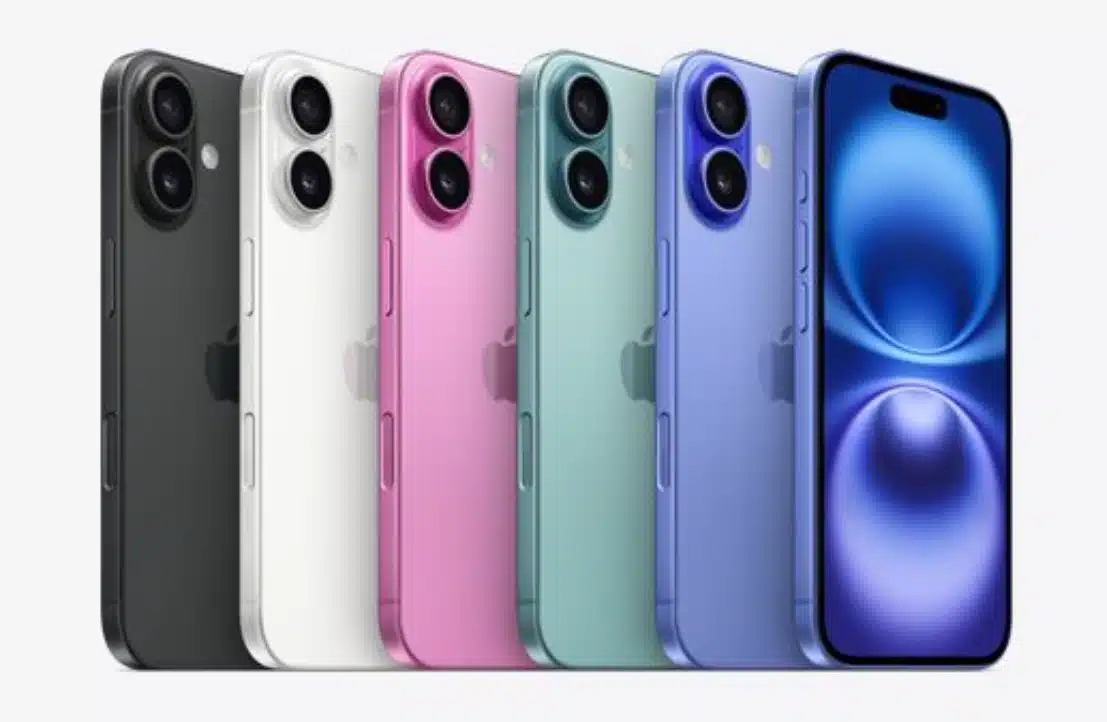
The iPhone 16 is a solid choice for users who want the Apple experience without the higher price of the iPhone 17. It features the A17 Bionic chip, which handles tasks like app switching, social media, and light gaming efficiently. The camera system—dual-lens on the base model and triple-lens on the Pro—captures detailed photos and steady 4K video, making it suitable for everyday photography.
With MagSafe wireless charging and battery life rated for up to 20 hours of video playback, it meets the needs of most daily users. It’s an ideal fit for first-time iPhone upgraders, buyers who want a dependable phone under $800, or those who prioritize consistent performance over cutting-edge specs.
You also get full access to Apple’s ecosystem, including features like iMessage, AirDrop, and Apple Watch syncing, along with regular iOS updates for at least five years and good resale potential if you plan to upgrade later.
Who Should Choose iPhone 17?

The iPhone 17 is designed for users who want Apple’s latest-generation hardware and features. Powered by the A18 Bionic chip, it offers improved processing speeds for demanding tasks like video editing, augmented reality, and AI-enhanced photo editing. The updated GPU and neural engine also support more responsive app performance and faster on-device machine learning.
Its 6.1-inch LTPO OLED display supports adaptive refresh rates up to 120Hz, allowing for smoother scrolling, better battery management, and a more refined user experience. The upgraded camera system includes a larger sensor and advanced video features such as cinematic mode with real-time depth tracking—ideal for content creators, mobile filmmakers, and professionals who rely on high-quality media capture.
This is Apple’s most forward-compatible iPhone, with extended iOS support expected through 2030 and historically strong resale value. If you want cutting-edge Apple features with long-term support and pro-grade performance in a pocket-sized device, the iPhone 17 is the best fit.
Who Should Choose OnePlus 13?
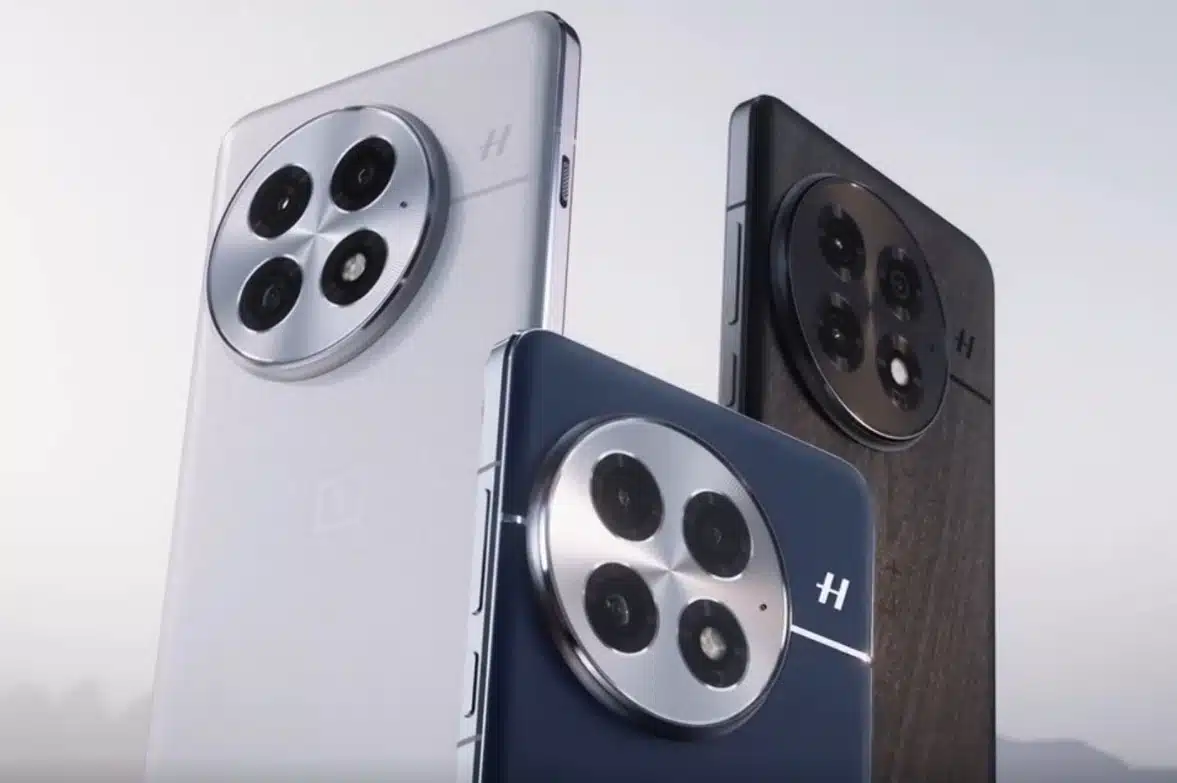
The OnePlus 13 is best suited for users who want flagship performance without the premium pricing of Apple devices. It runs on the Snapdragon 8 Gen 4 processor, which excels in intensive tasks such as high-frame-rate gaming, multitasking with multiple apps, and on-device AI processing. Performance remains smooth even under sustained load, making it ideal for gamers and power users.
Its 6.7-inch AMOLED display supports a 120Hz refresh rate and HDR10+, providing responsive visuals for streaming, fast-paced games, and daily browsing. The 5,000mAh battery offers strong endurance, and with 100W+ wired charging, the device can reach a usable charge in under 15 minutes—ideal for users who don’t want to wait around.
OxygenOS is another standout, offering deep customization options such as custom icon packs, gesture shortcuts, and adjustable animations—features that Android enthusiasts often prefer over iOS’s more uniform experience.
If you’re looking for high-end performance, faster charging, and greater software flexibility at a lower starting price than Apple’s lineup, the OnePlus 13 offers excellent value without compromise.
Conclusion: Which Phone is Best for You?
There’s no single winner among these three phones—it depends on your priorities and how you use your device day to day. The iPhone 16 offers dependable performance with the A17 Bionic chip, MagSafe support, and full iOS integration, making it ideal for users who want a stable Apple experience at a lower entry point.
The iPhone 17 targets buyers who want the latest Apple hardware, including the A18 chip, enhanced cameras, and a premium OLED display. It’s the best choice if you plan to keep your phone longer and want extended software updates and higher resale value.
The OnePlus 13 is best suited for Android users who want flagship specs like the Snapdragon 8 Gen 4 processor, a 120Hz AMOLED screen, 100W+ fast charging, and software flexibility through OxygenOS—all at a lower price than Apple’s offerings.
Ultimately, the right phone comes down to your budget, your preferred operating system, and whether you prioritize long-term support, creative tools, or pure performance and flexibility.
FAQs — iPhone 16 vs iPhone 17 vs OnePlus 13
Is OnePlus 13 better than iPhone 17 for gaming?
The OnePlus 13 is stronger for raw gaming with its Snapdragon Gen 4 processor, 120Hz AMOLED display, and 100W+ charging. The iPhone 17 focuses more on stability and ecosystem integration, with the A18 Bionic GPU delivering consistent performance over time. Pick the OnePlus 13 if you want power and value, or the iPhone 17 if you want stability and longevity.
Which phone has better battery life: iPhone 17 or OnePlus 13?
The iPhone 17 lasts longer on a single charge thanks to Apple’s A18 Bionic efficiency and iOS tuning. The OnePlus 13, however, charges much faster with its 100W+ system, making it ideal if you prefer quick top-ups. Go with iPhone 17 for endurance or OnePlus 13 for convenience.
Is iPhone 16 still worth buying in 2025?
Yes — the iPhone 16 is still worth it in 2025. Its A17 Pro chip, ongoing iOS updates, and premium build make it a smart pick for Apple fans who don’t need the very latest features but want a dependable device at a better price.
Which is better for photography: iPhone 17 or OnePlus 13?
The iPhone 17 takes the lead in photography, with advanced sensors, computational imaging, and cinematic video tools. The OnePlus 13 also performs well with its Snapdragon imaging system, but for professional-level shots and editing workflows, the iPhone 17 is the stronger choice.
Which phone offers better value for money: iPhone 16, iPhone 17, or OnePlus 13?
The OnePlus 13 gives the best value if you want flagship specs at a lower price. The iPhone 16 balances performance and cost as a solid mid-tier premium option. The iPhone 17 costs more but offers longer updates and higher resale value. Your definition of value—savings, balance, or long-term return—decides the winner.
Does the iPhone 17 have features not available in iPhone 16?
Yes — the iPhone 17 adds next-gen upgrades including the A18 Bionic chip, new AI tools, a more advanced camera system, and longer iOS support. These make it the more future-ready choice compared to the iPhone 16.
Is switching from OnePlus 13 to iPhone worth it for Android users?
Switching to an iPhone (16 or 17) is worth it if you want ecosystem stability, longer updates, and better resale value. But you’ll give up OxygenOS customization, fast charging, and Android’s flexibility. iPhone is the right move for those who want long-term consistency, while OnePlus 13 is better for buyers who want freedom and affordability.
