
-
×
 Telesonic 55-Inch TL-5518UHD
1 × LKR. 190,000
Telesonic 55-Inch TL-5518UHD
1 × LKR. 190,000
Subtotal: LKR. 190,000
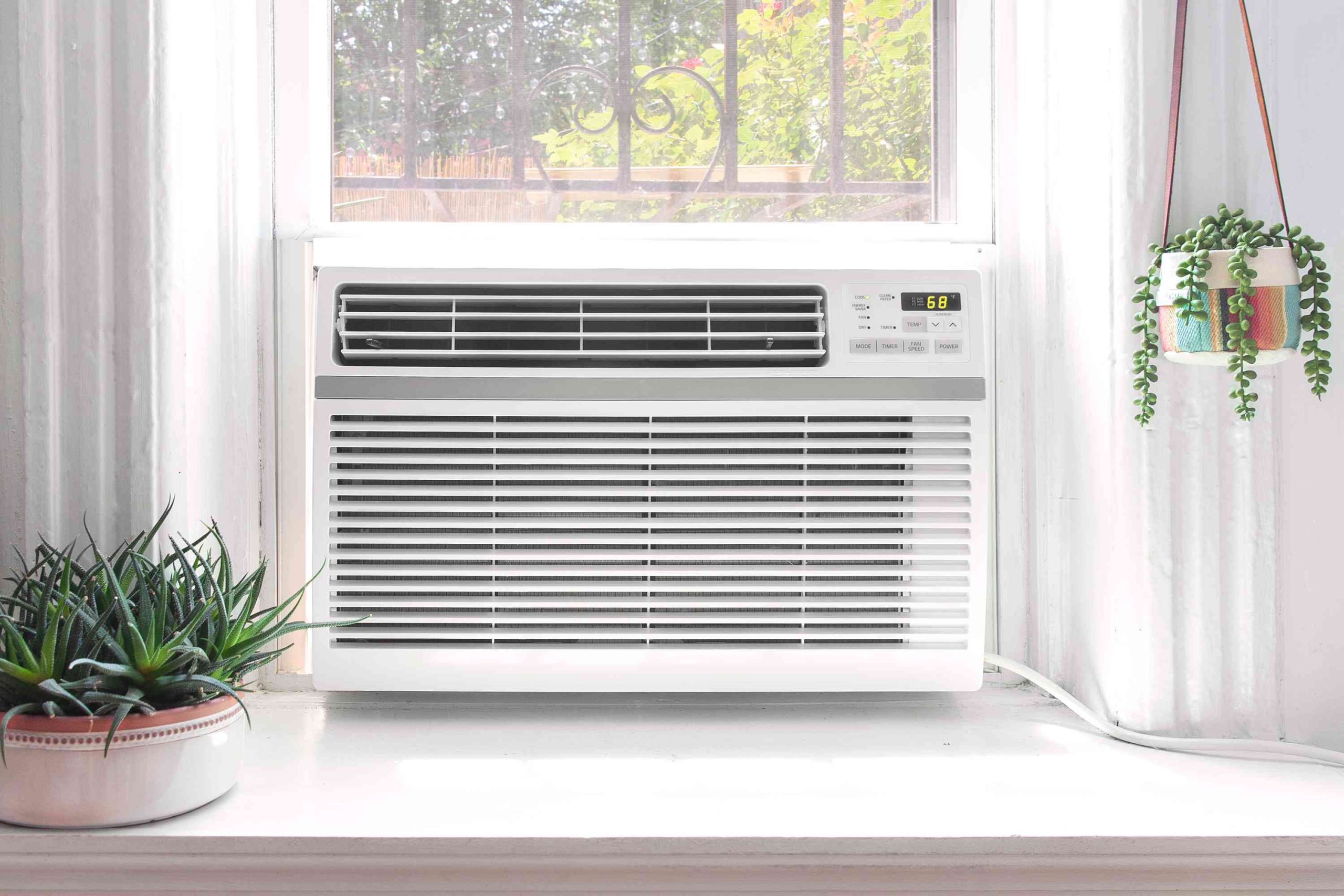
If you are searching for window air conditioner price in sri lanka, you are probably comparing cost, cooling power, installation needs, electricity bills, and long-term reliability before buying. From my experience reviewing air conditioner options for Sri Lankan homes, many buyers first look at the unit price. However, the better question is: “What will this AC cost me after installation, electricity, servicing, and maintenance?”
Window air conditioners are not as common in modern showrooms as wall-mounted split ACs. Still, they can be practical for certain bedrooms, small offices, rental rooms, guard rooms, shops, and older buildings where a wall opening or window slot already exists.
In Sri Lanka, the final price depends on BTU capacity, brand, warranty, energy efficiency, stock availability, installation work, and whether the unit is new, used, or imported. Because AC prices can change due to exchange rates, import costs, freight, promotions, and retailer stock, this guide uses realistic estimated ranges rather than fixed promises.
For shoppers who want to compare current AC options, warranties, and practical cooling choices, browse Greenware’s value-focused air conditioner range in Sri Lanka.
Window air conditioner price in Sri Lanka usually depends on BTU size, brand, condition, and installation needs. As a practical estimate, small to medium window AC units may cost less than many inverter split ACs, but buyers should also budget for electrical safety, fitting work, service, and monthly electricity use.
Window air conditioners are older in design than split ACs, but they still have a place in the Sri Lankan market. They combine the compressor, condenser, evaporator, and fan into one box-type unit. Therefore, installation can be simpler when the building already has a suitable window or wall opening.
In Colombo apartments, older houses, small commercial spaces, and rented rooms, a window AC can sometimes be easier than a split system. For example, a split AC needs indoor and outdoor units, copper pipe, drainage, brackets, and more careful installation. In contrast, a window AC normally needs a strong frame, proper slope, power supply, and weather protection.
However, there is a trade-off. Window ACs are usually noisier than split ACs because the compressor sits in the same body as the indoor airflow section. Also, many modern inverter options in Sri Lanka are split-type models, so window AC choices may be limited.
That is why the best decision is not only about the cheapest window air conditioner price in Sri Lanka. Instead, you should check whether a window AC fits your room, your building, and your monthly electricity budget.

The table below gives practical estimated price ranges. These are not guaranteed retail prices. They are buyer guidance ranges based on common Sri Lankan AC market patterns, where split AC prices are often easier to find than window AC prices.
| BTU Capacity | Suitable Room Type | Estimated Window AC Price Range | Best For | Notes |
| 9,000 BTU | Small bedroom, study room, guard room | LKR 90,000–160,000 | Small spaces | May be harder to find new |
| 12,000 BTU | Bedroom, small office, rental room | LKR 110,000–190,000 | Most home users | Popular capacity for Sri Lanka |
| 18,000 BTU | Larger bedroom, small shop, office room | LKR 170,000–280,000 | Bigger rooms | Check wall support and wiring |
| 24,000 BTU | Large room, shop, commercial area | LKR 230,000–380,000+ | Heavy cooling needs | Split AC may be more common |
For comparison, many current split AC listings in Sri Lanka show 12,000 BTU and 18,000 BTU models across a wide price range. Therefore, when window AC stock is limited, some buyers may find that a basic non-inverter split AC is similarly priced or even easier to purchase with warranty support.
Both types can work well, but they suit different situations.
| Feature | Window Air Conditioner | Split Air Conditioner |
| Initial unit price | Often lower if available | Wider range from budget to premium |
| Installation | Simple if opening exists | Needs indoor/outdoor unit installation |
| Noise level | Usually louder | Usually quieter indoors |
| Design | Box unit in window/wall | Cleaner indoor look |
| Availability in Sri Lanka | Limited compared with split ACs | Widely available |
| Maintenance access | Easy front access | Indoor and outdoor unit servicing |
| Energy efficiency | Depends on model | More inverter choices available |
| Best use case | Small room, rental space, old AC opening | Bedrooms, living rooms, offices |
In simple terms, choose a window AC if your room already has a safe opening, you want a compact all-in-one unit, and you can accept more noise. However, choose a split AC if you want quieter cooling, modern inverter efficiency, and more model options.
Several factors shape the window air conditioner price in Sri Lanka. Understanding these helps you avoid buying only by sticker price.
BTU means British Thermal Unit. It measures cooling capacity. A higher BTU unit cools a larger room, but it also costs more and may use more electricity.
For many Sri Lankan bedrooms, 9,000 BTU or 12,000 BTU is enough. However, rooms with direct afternoon sun, large windows, many people, or poor insulation may need more capacity.
A known brand with islandwide support may cost more. However, warranty, compressor coverage, spare parts, and technician availability matter a lot in Sri Lanka.
A cheaper unknown model can become expensive if the PCB, fan motor, capacitor, compressor, or remote control fails and parts are difficult to source.
Used window ACs are common in classifieds. They may look cheap at first. However, check gas leaks, compressor noise, rust, cooling speed, drainage, and power consumption before buying.
A used AC can be a good short-term option for a rental room. Still, for a family bedroom used every night, a new unit or a reliable split AC may be safer.
A window AC needs a strong frame and proper outdoor ventilation. In Sri Lanka, many houses have aluminium windows, grills, cement walls, or older timber frames. Therefore, fitting work may cost extra.
You may need:
Monthly running cost matters more than many buyers expect. Sri Lanka’s electricity tariff information is published by the Public Utilities Commission of Sri Lanka. Because domestic bills depend on total units consumed, an AC can move a household into a higher usage band.
Therefore, you should estimate running hours before buying. A cheaper AC that uses more electricity may cost more over two or three years.
Energy efficiency labels help buyers compare appliance performance. The Sri Lanka Sustainable Energy Authority explains that energy labels support informed appliance choices at the point of purchase. In addition, the Sri Lanka Standards Institution has information on energy labelling work for appliances including air conditioners.
As a buyer, ask for the energy rating, input wattage, EER or CSPF where available, refrigerant type, and compressor warranty. These details help you compare beyond the price tag.
Choosing the wrong size is one of the biggest mistakes when buying an AC in Sri Lanka.
If the unit is too small, it runs continuously and struggles to cool the room. As a result, electricity use increases and comfort drops. On the other hand, if the unit is too large, it may cool too quickly without removing enough humidity. This can make the room feel cold but damp.
Use this simple guide:
| Room Size | Suggested BTU | Typical Sri Lanka Use |
| Up to 100 sq. ft. | 9,000 BTU | Small bedroom or study |
| 100–150 sq. ft. | 12,000 BTU | Standard bedroom |
| 150–220 sq. ft. | 18,000 BTU | Large bedroom or small office |
| 220–320 sq. ft. | 24,000 BTU | Living room or shop |
However, Sri Lankan homes are not all the same. A top-floor room in Colombo, Negombo, Jaffna, Anuradhapura, or Batticaloa can feel much hotter than a shaded ground-floor room in Kandy or Nuwara Eliya. Also, roof type, curtain quality, window direction, ceiling height, and number of people affect cooling load.
From my experience, it is better to let a technician inspect the room before finalising BTU capacity. This avoids under-sizing and over-spending.
Before buying, use this checklist. It will help you avoid hidden costs.
This checklist is administrative and practical guidance. For electrical safety, always use a qualified technician or licensed electrician.
The window air conditioner price in Sri Lanka should always be compared with running cost. For example, a 12,000 BTU non-inverter AC may have an input wattage around 1,000W to 1,300W depending on the model. If used for eight hours daily, it can add a noticeable number of units to your electricity bill.
However, actual cost depends on:
A practical way to reduce monthly cost is to set the temperature around 24°C–26°C, use curtains during hot afternoons, keep doors closed, and clean filters regularly. Moreover, using a ceiling fan with the AC can help circulate cool air better.
If you run the AC only at night, your monthly cost may be manageable. But if you use it throughout the day in a shop or office, energy efficiency becomes more important than the lowest purchase price.
In 2026, many Sri Lankan buyers will find more split AC options than window AC options. Therefore, window ACs are best for specific cases rather than every home.
A window AC may suit you if:
A split AC may suit you better if:
In many Sri Lankan homes, a 12,000 BTU split inverter AC is now the more common recommendation for bedrooms. However, a window AC can still be practical when installation conditions are right.
Many buyers focus only on window air conditioner price in Sri Lanka and miss the details that affect long-term value.
Avoid these mistakes:
A good AC purchase should balance price, comfort, safety, and monthly cost.
The average window air conditioner price in Sri Lanka can vary widely by BTU capacity, brand, condition, and warranty. As an estimated guide, many small to medium units may fall between LKR 90,000 and LKR 190,000, while larger models can cost more.
Sometimes, yes. A window AC can be cheaper if stock is available and installation is simple. However, split ACs are more common, and some entry-level split models may offer better warranty support and efficiency.
For many standard bedrooms in Sri Lanka, 12,000 BTU is suitable. However, hot top-floor rooms, large windows, poor insulation, or direct afternoon sunlight may require a stronger unit.
They can use more electricity than modern inverter split ACs, especially if they are older non-inverter models. Still, actual usage depends on wattage, room size, thermostat setting, and daily running hours.
Yes, but only if the building structure, management rules, window design, drainage, and outdoor airflow allow it. Always check with building management and use a qualified technician.
Check cooling performance, compressor noise, rust, gas leakage signs, remote control function, fan speed, drainage, plug condition, and service history. Also, ask the seller to run the AC for at least 20–30 minutes before you decide.
Split ACs are quieter, more attractive, and widely available with inverter technology. Also, modern Sri Lankan homes often prefer wall-mounted indoor units instead of large window openings.
Budget for fitting, frame work, electrical wiring, transport, servicing, and possible wall or window modifications. Depending on the site, these extras can be minor or significant.
Some markets offer inverter window ACs, but availability in Sri Lanka may be limited compared with split inverter models. Therefore, always confirm model specifications before buying.
For many Sri Lankan rooms, 24°C–26°C is a practical balance between comfort and energy saving. In addition, close doors, use curtains, clean filters, and avoid setting the AC to very low temperatures unnecessarily.
The window air conditioner price in Sri Lanka depends on more than the unit itself. BTU capacity, stock availability, installation work, warranty, energy efficiency, and electricity cost all shape the real value.
If you already have a suitable opening and need simple cooling for a small room, a window AC can still be a sensible choice. However, if you want quiet operation, more inverter choices, and wider availability, a split AC may offer better long-term comfort.
Before buying, measure your room, compare BTU capacity, check warranty, calculate running cost, and confirm installation requirements. That way, you can choose an AC that fits both your room and your monthly budget.

I am a dedicated mobile technology enthusiast with over a decade of experience in the field. At Greenware Mobile, I am responsible for delivering the latest news, comprehensive reviews, and insightful information about mobile phones. My passion for technology drives my commitment to providing accurate and up-to-date content to help consumers make informed decisions. With a strong educational background in mobile technology, I strive to demystify complex tech concepts for our audience at Greenware.lk. Whether you're a tech aficionado or a casual smartphone user, my goal is to keep you well-informed and ahead of the curve in the ever-evolving world of mobile technology.
